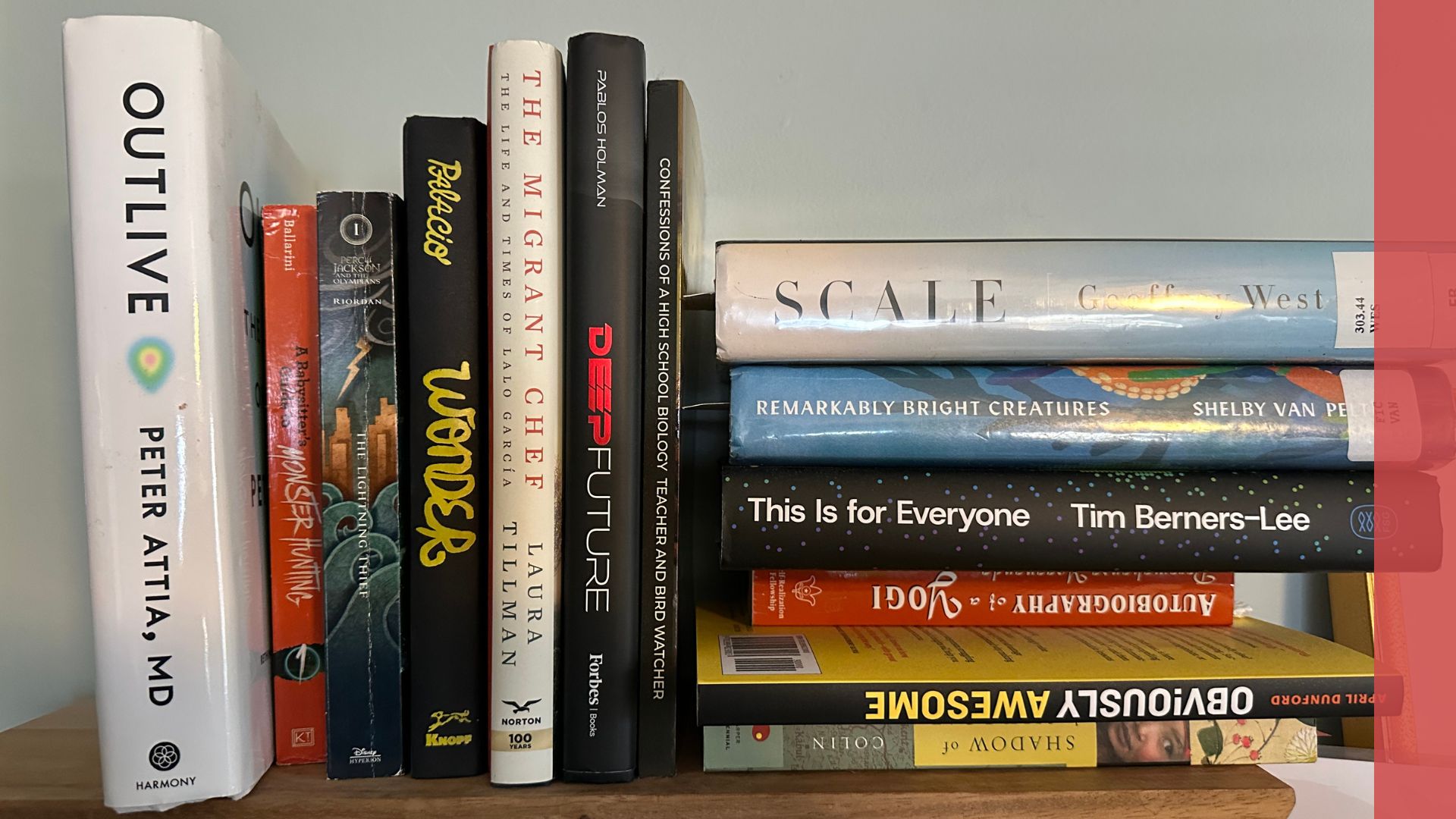
When I look at what I read this year, it looks a little chaotic, but it fits together. Honestly, that’s probably how people see me too, and they’re not wrong.
I gravitated toward books that helped me understand how things came to be. Some of that was the big picture stuff like physics, the early internet and the roots of modern AI. On the flip side, there were the more personal books that dug into the lives of people who have shaped how I think, like von Neumann, and musicians like John Prine and Springsteen who have basically been the soundtrack to whole stretches of my life. And then there were newer discoveries like Lalo Garcia, whose story is not only incredible on its own but also a clear look at how heavy handed immigration policies can ripple out in ways people rarely see.
A few books slowed me down and made me pay attention to the world around me. Craig Mod wandering Japan. Annie Dillard watching a pond with more focus than most of us bring to anything. Even learning how a place like Dubai came out of nowhere and became what it is now.
The list might look all over the place, but my selections were fairly intentional. To see how things come together, to explore perspectives I hadn’t spent much time with, and to revisit ideas I know are good for me but don’t always stop long enough to absorb.
Awareness by Anthony De Mello
De Mello was a Jesuit priest with a direct, no nonsense way of getting to the point. The core idea is simple. An unaware life is not worth living. The book reads like a series of short, clear reminders about waking up to your own patterns and seeing the world without all the noise we layer onto it. It is an easy read and an easy reread, and one of those books that lands differently depending on when you pick it up.
City of Gold by Jim Krane
I love travel and new cultures, but I realized how little I actually knew about the Middle East beyond the headlines. This book lays out how Dubai went from a small trading outpost to a global force in about sixty years. I was only there once on a quick layover, but I still remember seeing the Burj Khalifa in the distance from the back of an Uber. Maybe it was the jet lag, but the whole thing felt just so surreal. I want to go back and explore the region with some actual context now.
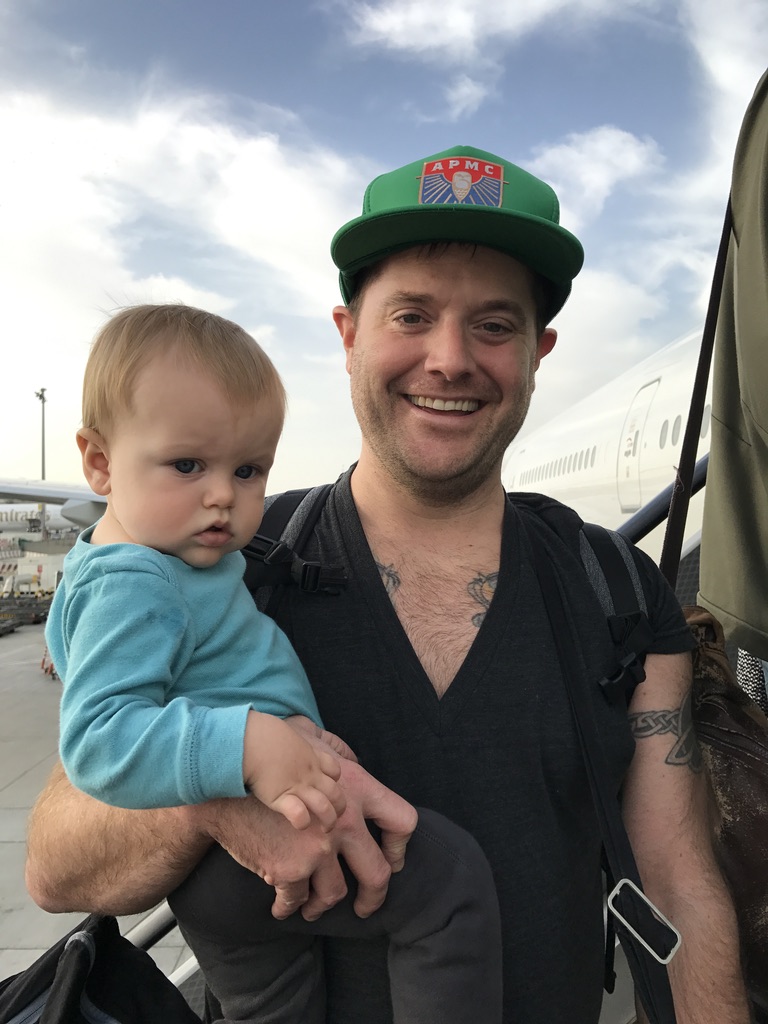
Confessions of a High School Biology Teacher and Bird Watcher by Kermit Updegrove
Kermit Updegrove was my dad’s college roommate, and we visited his family in Maryland throughout my childhood. Catching blue-claw crabs, exploring the Chesapeake, listening to college stories. He passed away last year, and I was given this memoir. It pulled up a lot of memories and also gave me small glimpses into my dad’s younger years through his friend’s eyes.
Deep Future by Pablos Holman
Holman is a hacker and inventor who has worked on everything from Blue Origin to early crypto to hardware labs. He lays out the technologies he thinks will shape the next wave of innovation, like fusion and robotics. Some parts were interesting, but a lot of it felt familiar to me, maybe because this is the world I already pretty dialed into. The right reader might find it eye opening, but it didn’t give me much new.
Deliver Me From Nowhere by Warren Zanes
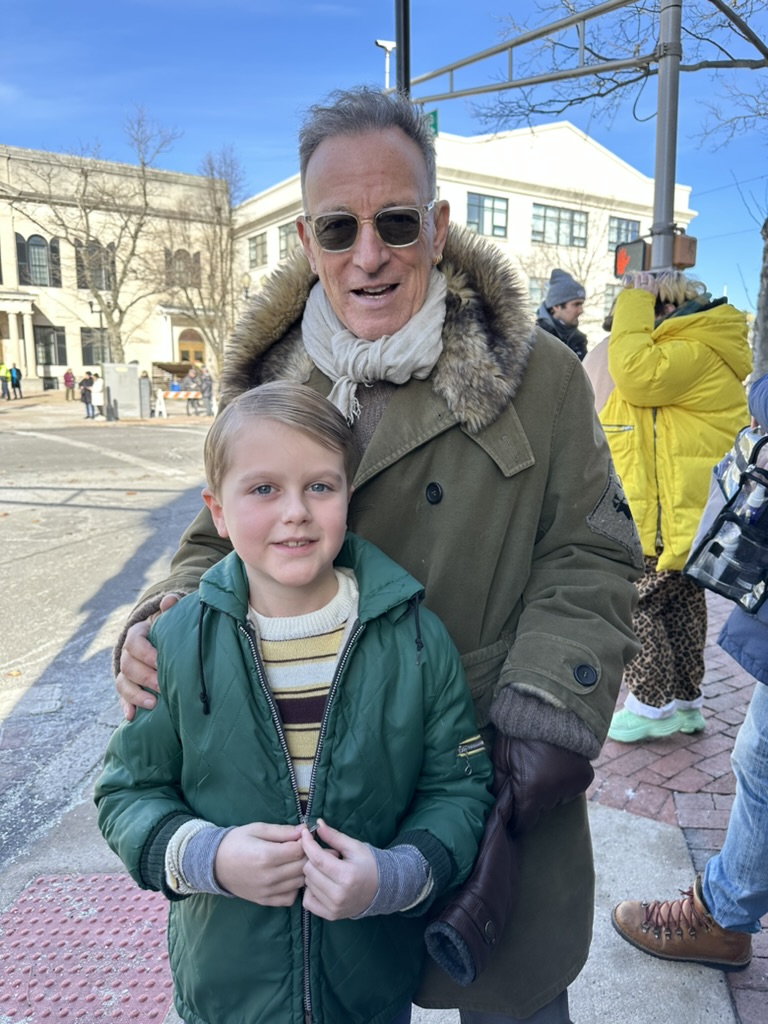
This is the book behind the recent Nebraska movie with Jeremy Allen White. I’m a huge Bruce fan and think Nebraska is one of the greatest records ever made, so this was an easy pick. Also, small family brag. My son Atlas was cast as an extra and made it into the final cut for about seven seconds. He got to meet Bruce, which is now a core memory. The book itself is a fascinating look at the making of one of his most seminal records.
Living in the Present with John Prine by Tom Piazza
John Prine is another of my favorites. Many people know him as an early COVID death, but the truth is his health had been declining for years. This book is built from interviews Piazza did with him in the two years before he passed, as their friendship grew. It is warm, funny, and sad, because you ultimately know what is coming and how it ends.
The Maniac by Benjamin Labatut
A fictionalized biography of John von Neumann, the mind behind modern computer architecture and game theory. Labatut bends history without losing the essence of who these people were. Cameos from other scientists pop up throughout. I’d love to see someone make this into a film.
The Migrant Chef by Lalo Garcia
I was pretty unfamiliar with Lalo Garcia before reading this biography. He grew up as the son of migrant farm workers, moving from crop to crop across the United States. After some trouble in his teens that led to a conviction, a kitchen job shifted his entire trajectory. His talent was obvious, but because of his legal status and that conviction, he was eventually banned from the US. He rebuilt his life in Mexico City and went on to become one of the world’s top chefs. It’s an incredible story.
Pilgrim at Tinker Creek by Annie Dillard
Probably my favorite book this year. Dillard pays attention to nature in a way most of us never do. She can spend pages on a pond and make it feel alive, from the algae to the oxygen levels to the creatures feeding and being fed upon. It made me look at the natural world with more patience and curiosity.
Remarkably Bright Creatures by Shelby Van Pelt
I picked this up after seeing it on Bill Gates’s list. It follows a cleaning woman at an aquarium and her relationship with an octopus. Sounds absurd, but the characters are warm and surprisingly human. I’m only about half way through but I’m enjoying it.
Scale by Geoffrey West
I’ve heard about this book for a while and finally dug in. It scientifically and mathematically explores the patterns that show up everywhere in nature and how they scale into biology, cities, technology and even AI. West is a physicist, so it gets heady. I didn’t make it all the way through because it’s long and cerebral, but the main ideas landed. I’ll probably finish the audio version on a long drive.
Things Become Other Things by Craig Mod
I found Craig Mod through a two part Tim Ferriss interview and immediately developed a man crush. He is a designer, writer and expat living in Japan who has spent decades walking the old routes across the country. His reflections and photos are both thoughtful and curious. I’ve never been to Japan, but after this book and subscribing to his newsletter, it jumped way up my list.
This is for Everyone by Tim Berners Lee
A history of the world wide web from the person who built it. I used Gopher, Usenet and Lynx, and the World Wide Web was just another app back when the internet was still a collection of strange, disconnected tools. The web feels inevitable now, but it wasn’t, which is always funny yet slightly depressing to explain to my kids, who have never known anything else. This book filled in a lot of the story I lived through but never fully understood.
When We Cease to Understand the World by Benjamin Labatut
I read this before The Maniac and immediately went hunting for more of Labatut’s work. This book jumps between the lives of Heisenberg, Bohr, Schrödinger and others, then ties it all to AlphaGo and the rise of modern AI. Creative, weird in the right ways, and full of surprising threads. I also wouldn’t mind seeing this adapted into a movie or Netflix mini-series.